
We had our 2023 Bronco Sport treated with the Borophene ceramic coating and it makes the car look brand new! We are fortunate to leave by the ocean, but that comes with the challenge of salt spray putting a film on the car. Looking forward to much easier maintenance and the car continuing to look great! Kelson did a super job and Steven was very helpful in providing information about the options and getting us scheduled.
Home › Stealth Diamond Borograph Coating
The Diamond coating your last shop can’t buy
NanoPro® Stealth Diamond Borograph is released only to certified elite installers. Permanent nano-diamond protection on body, glass, trim and wheels — built for an island where vog, salt and the country’s highest UV load all work on your paint at once.
Permanent — 10+ years
CARFAX® registered
Certified elite installer
Kona shop or mobile
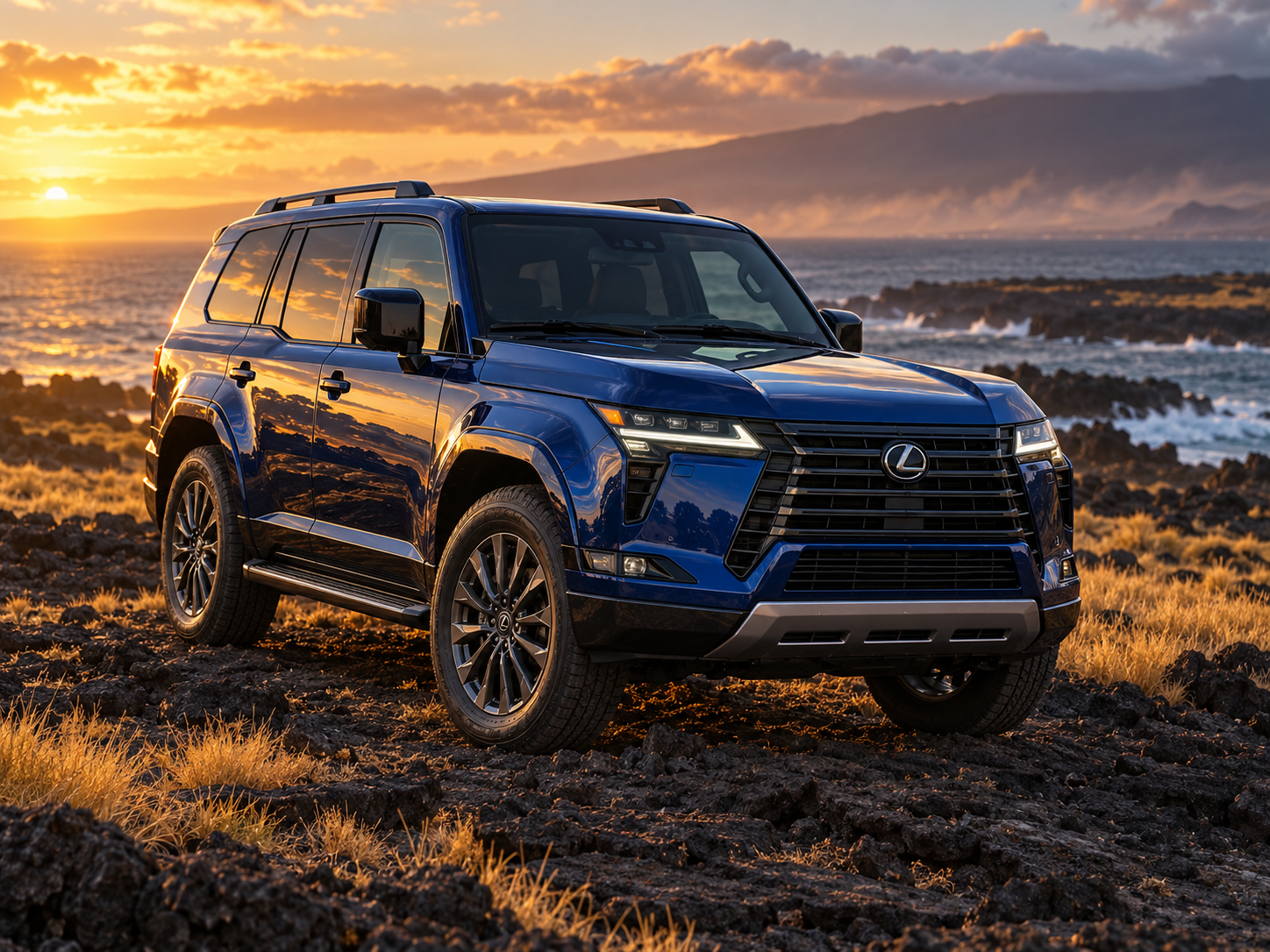
Visual proof
Before and after
Most of the result comes from the correction, not the coating. This is what a multi-stage polish does before any product goes on the vehicle.
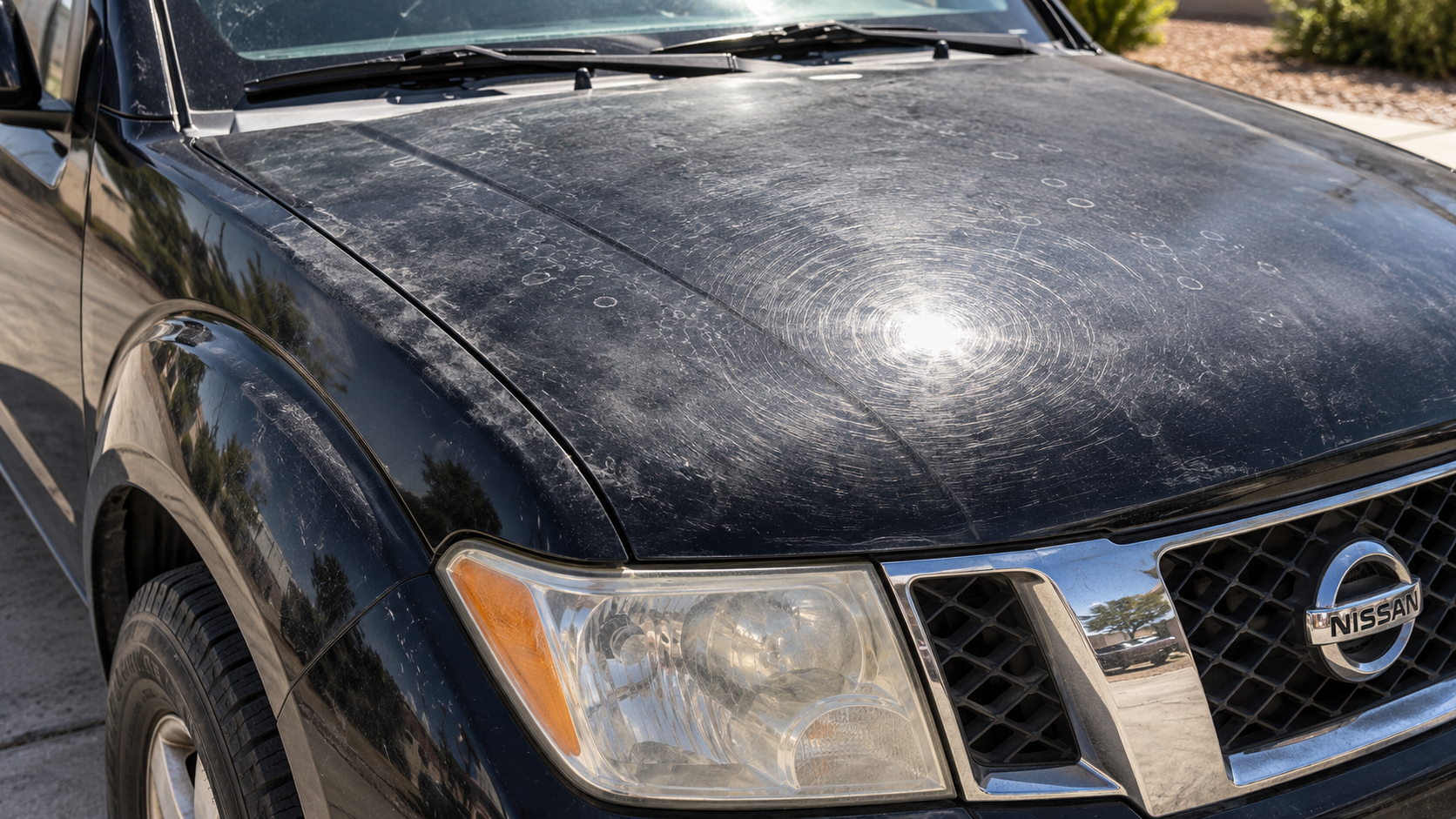
Before — swirls, oxidation, vog etching
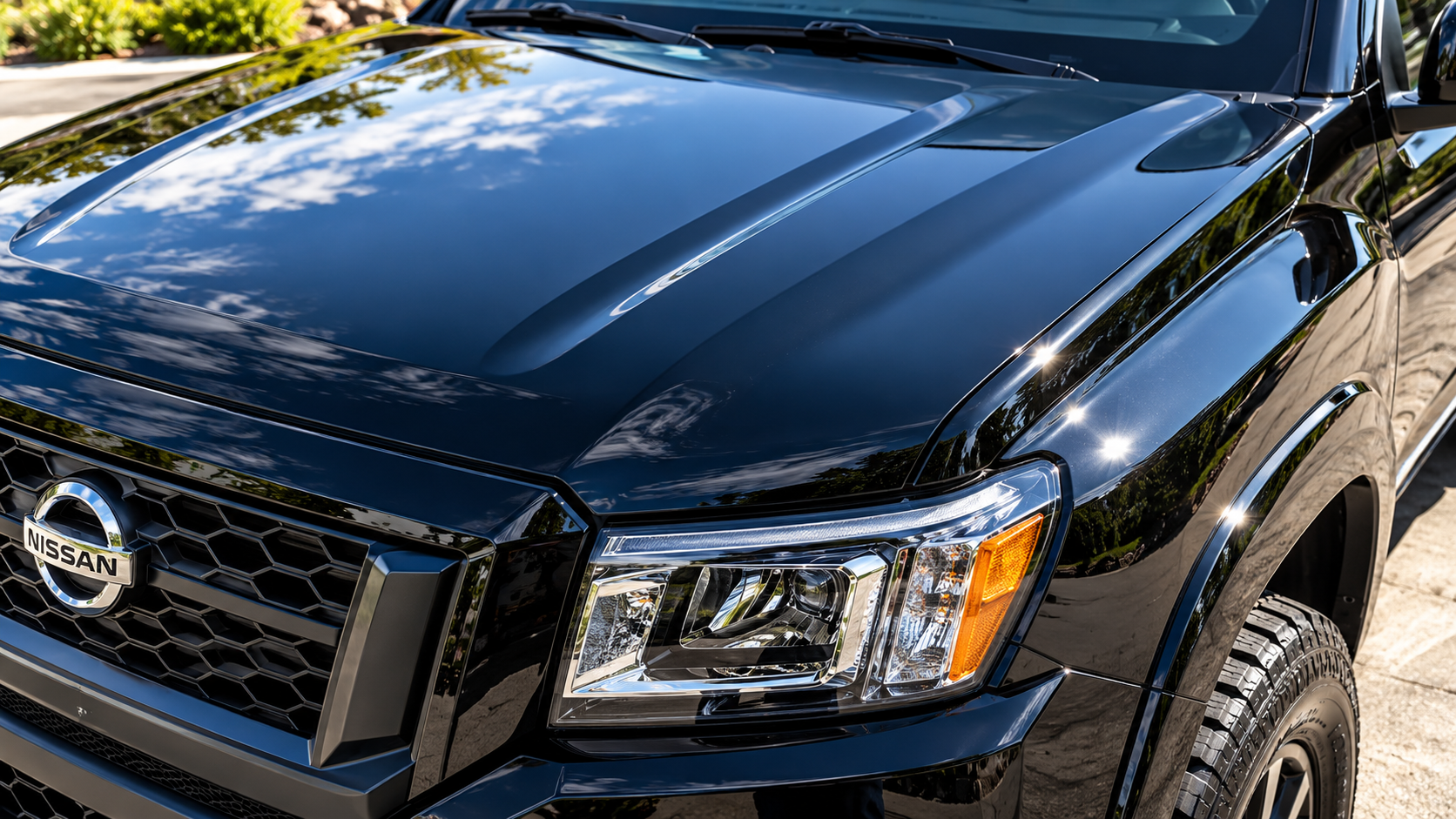
After — multi-stage correction + Borograph
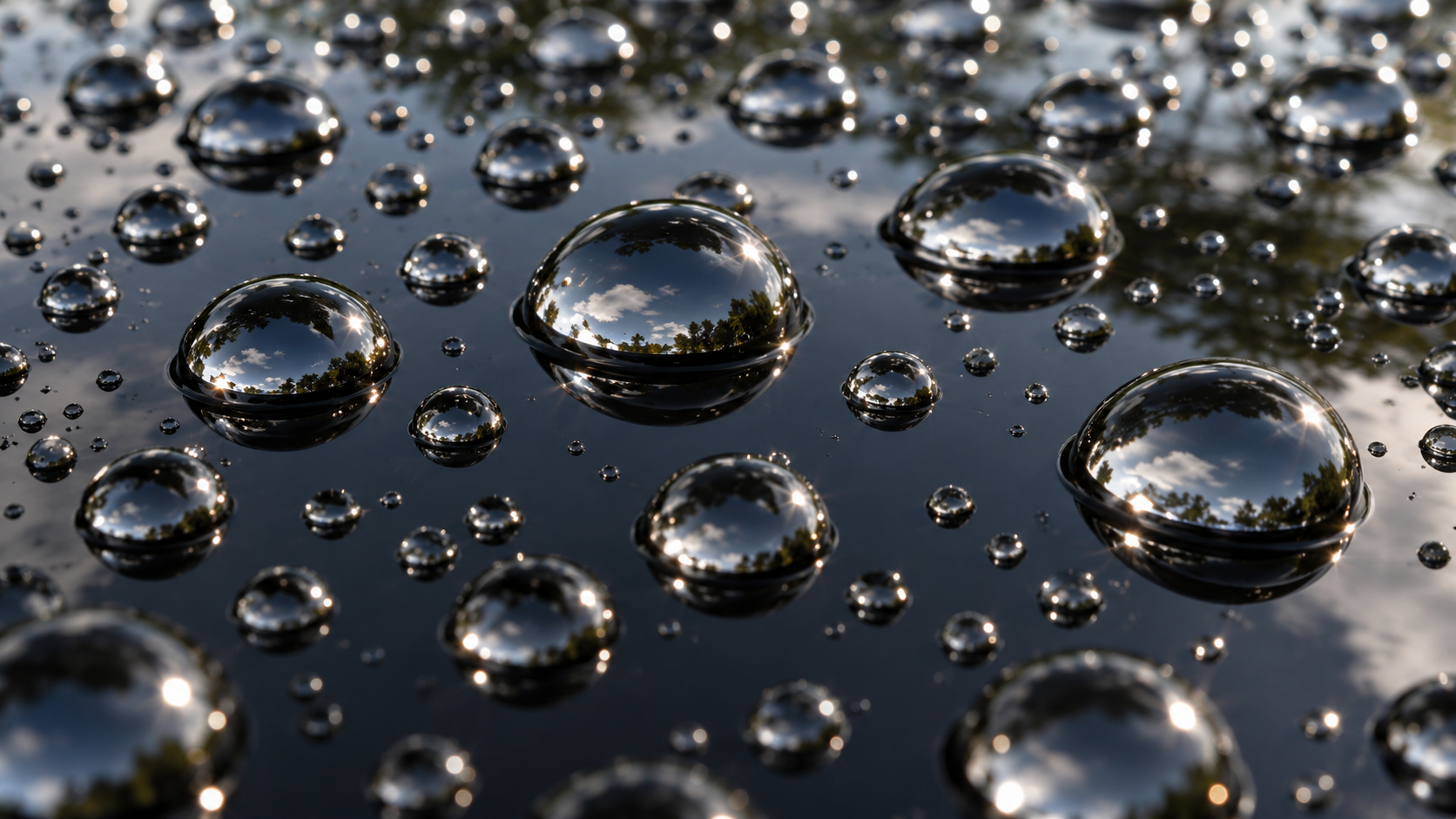
Water leaves instead of sitting
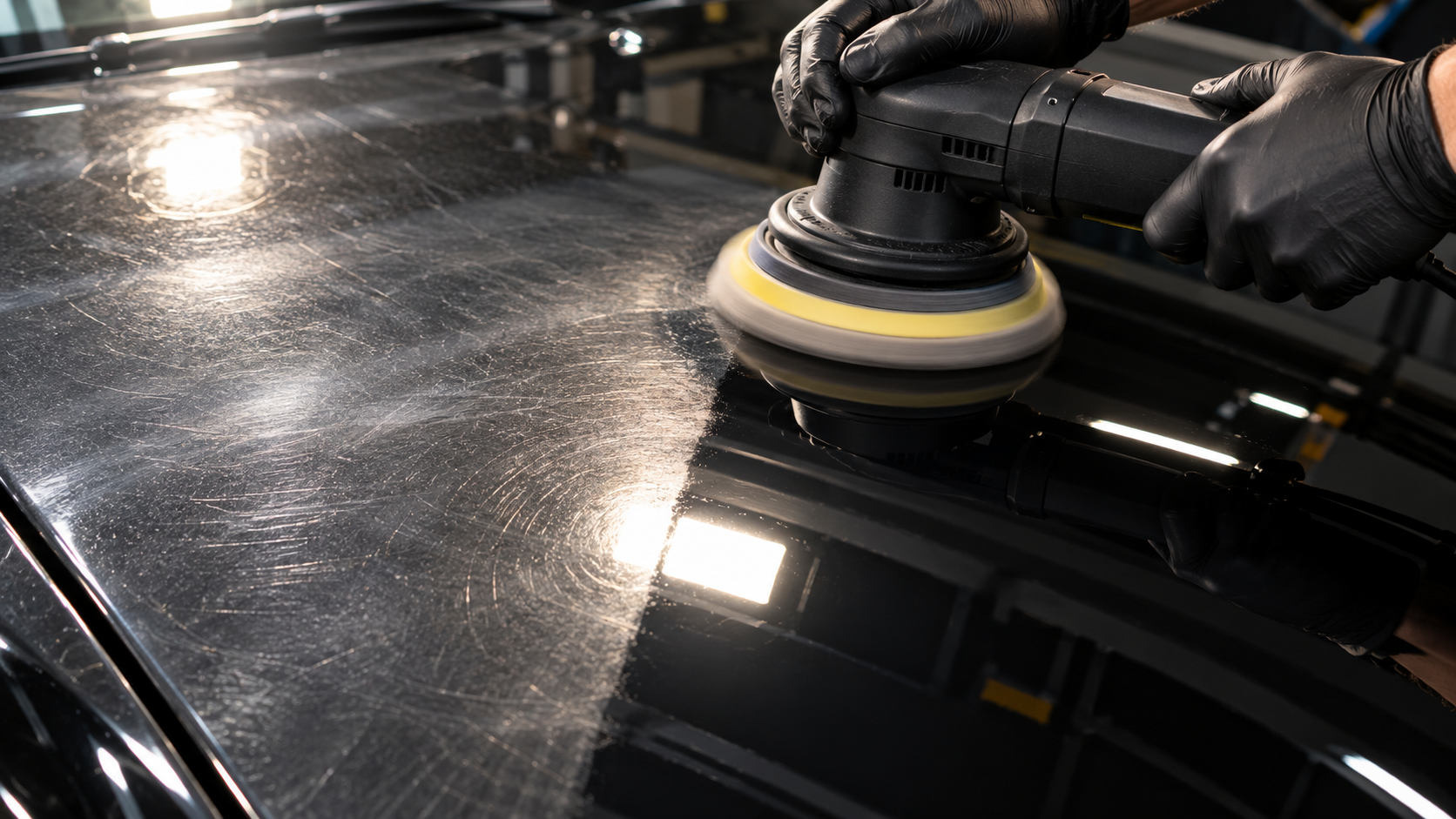
Correction first — the coating locks in whatever is underneath
Diamond Complete
Four surfaces, one warranty
Every exterior surface gets the NanoPro product built for it — not one coating smeared across everything.
Body — Stealth Diamond Borograph
Wheels — Stealth Diamond Borograph
Glass — Ceramic Glass, Ultra Visibility
Trim — Nano Flex Plastic & Rubber
Included in the coating price
- Exterior hand wash, two-bucket, coating-safe chemistry
- Bug, tar and sap removal
- Chemical and clay decontamination — iron fallout and bonded contaminants
- Light hard water spot removal
- Single-pass light machine buff and polish
- Chrome and stainless polishing
- Panel-by-panel application and inspection
- Written warranty, registered with NanoPro in your name
- CARFAX® service record against your VIN
What counts as prep, not included. Heavy vog etching, oxidation, multi-stage correction, overspray, old sealant or a previous coating that has to come off. All of it is quoted after inspection, with the number in your hand before any work starts. We do not coat over defects — a coating locks them in permanently.
Warranty
What you are covered for
- Written warranty — registered with NanoPro in your name, not a handshake
- Covers gloss, hydrophobics and premature coating failure
- Transferable — it follows the vehicle if you sell it
- Inspections included — we want eyes on the car once a year regardless
- Keep it washed on the recommended schedule and the warranty stays in force. On the maintenance program we handle one of those washes for you every month.
Why a permanent coating is worth more here
Three attacks, every day, year round
Vog
Dilute battery acid, falling on your paint
The USGS describes vog as primarily sulfuric acid, and says its droplets have “the corrosive properties of dilute battery acid.” Kona sits on the wrong side for it — trade winds blow 80–95% of the time from May to September and carry it around the south point and straight up this coast, where the sea breezes hold it in place. It etches clear coat and glass.
Salt
It does not stop working when it dries
Marine salt is hygroscopic — it pulls moisture back out of the air every humid night, so a dried salt crystal on a panel is still an active corrosion cell days after you parked. That is why island cars rust in places mainland cars never do, and why rinsing matters more here than anywhere.
UV
The highest UV load in the country
Hawaiʻi runs a UV index around 7 in winter and 11+ in summer — extreme on the EPA scale, and the highest sustained load of any U.S. state. Not because the sun is closer, but because at 19°N it is nearly overhead, so its rays cross far less atmosphere than they do on the mainland. It breaks down clear coat, trim and interiors faster here. Full stop.
Sources: U.S. Geological Survey, Hawaiian Volcano Observatory. EPA UV Index scale. More detail on vog, salt and UV protection.
Island Special · Big Island pricing
What Borograph costs
Prices shown are cash prices. Pay by cash or check and that is what you pay. The card price is shown in grey beside every figure — slightly higher, because card processing costs us that. Nothing is added at checkout either way: both prices are on the page before you book.
Hawaii GET is added at invoice and shown as its own line, at the state maximum visible pass-on of 4.712% (4% state + 0.5% Hawaiʻi County surcharge). Prices on this page do not include it.
Stealth Diamond Borograph Ceramic
Small — sedans & coupes
$1,000$1,035 cardRegular $1,850
Medium — crossovers, pickups, small SUVs
$1,250$1,295 cardRegular $2,300
Large — full-size trucks, vans, large SUVs
$1,500$1,555 cardRegular $2,800
Tour & commercial vansQuoted on inspection — a shuttle and a Sprinter are not the same job
from $2,500$2,590 card
Add to it
Liquid PPF underneathRock chip and debris resistance — film for impact, Borograph on top
from $3,000$3,105 card
Interior CeramicBlocks the UV that cracks dashes and fades seats
from $219$227 card
Maintenance ProgramOne coating-safe wash a month, 25% off any extra service, coating inspected every visit
from $225 / mo$233 / mo card
Travel fee $50$52 card past 20 miles outside the Kona district. Gas on this island runs well above the mainland and the run to Waimea, Hawi or Hilo is real time in the truck — that fee goes straight to the technician working your job, not onto the service price. No fee if you drop off at our Kona shop near Magic Sands Beach Park — we give you the exact address when you book. We tell you the travel fee when you book, never when we arrive.
Permanent — 10+ years
CARFAX® registered
13 years on the Big Island
5,000+ vehicles
Fully insured
Trained & certified techs
100% satisfaction guaranteed
In our customers’ words
Five stars, every one
Google Reviews
Shown word for word
Beautiful job way more then what I expected 💯 would recommend zippys for sure.even came to house to do it ! Thank you zippys for a beautiful bronco
I had 3 pickup trucks and 3 SUV’s done by Kelson. He did a great job and all the vehicles look like new. Thank you
No obligation
Get your Borograph quote
Send a few photos in daylight and we will come back with a firm number, plus an honest read on what the paint needs before it can be coated.
Prefer to talk? (808) 201-6005 — call or text. Open 7 days · 6am–6pm.
Straight answers
Borograph questions
How long does Borograph ceramic coating last on the Big Island?
NanoPro® Stealth Diamond Borograph is a permanent coating with 10+ year protection — it is applied once and never re-coated on a schedule, unlike consumer ceramic sprays and sealants that wear off in one to three years.
The difference is chemistry, not marketing. Most products sold as “ceramic coating” are silica-based sealants that sit on the paint and sacrifice themselves over time. Borograph 3.0 is a graphene-oxide and boron-silicate hybrid impregnated with nano diamonds that bonds into the clear coat, so there is no sacrificial layer to wear through.
Hawaiʻi is about the hardest test a coating can get. Vog is primarily sulfuric acid, marine salt keeps corroding after it dries, and the UV index runs 11+ in summer — the highest sustained load of any U.S. state. A permanent coating is worth more here than almost anywhere, because the attack never lets up.
What surfaces does the Diamond Complete package cover?
Diamond Complete covers four exterior surfaces: body paint, glass, trim and wheels — each with the NanoPro product made for it.
Body paint and wheels get NanoPro® Stealth Diamond Borograph. Glass gets NanoPro® Ceramic Glass — Ultra Visibility, applied to the windshield, door glass and mirrors. Trim gets NanoPro® Nano Flex Plastic and Rubber on the grille, splitter and plastics.
Glass matters more here than on the mainland: vog etches windshields, and a coated screen sheds it rather than holding it. Interior ceramic is priced separately, from $219 with any exterior package, so you only pay for it if you want it.
Why does a permanent ceramic coating cost more than a $500 coating?
Because the price is mostly labour and correction, not product — a coating locks in whatever is underneath it, so the paint has to be corrected first, and that is where the day goes.
A cheap coating quote usually means one of three things: a consumer-grade sealant rather than a permanent coating, a single-stage polish instead of multi-stage correction, or both. None of those are dishonest — they are a different service at a different price.
Our price includes exterior wash, bug, tar and sap removal, decontamination and clay bar, light hard water spot removal, a single-pass light machine buff and polish, and chrome and stainless polishing. Heavy vog etching, heavy water spotting and multi-stage correction are quoted on top after inspection.
Will Borograph stop vog from etching my paint?
It takes the attack instead of your clear coat — vog fallout lands on the coating rather than the paint, and because nothing bonds to it well, a rinse carries it off before it can concentrate and bite.
That is the honest version, and it matters because the dishonest version is common. No coating makes vog irrelevant. What Borograph does is move the damage onto a hard permanent layer and buy you the time between the fallout landing and the fallout mattering.
Uncoated, vog fallout really does need removing before the next dew cycle, because overnight humidity re-wets it and the morning sun concentrates the acid as the water evaporates. Coated, it sits on the surface until you rinse it. See vog, salt and UV protection for the mechanism in full.
Does ceramic coating stop rock chips?
No. Ceramic coating is chemical and UV protection, not impact protection — if you want rock chip resistance, that is Liquid PPF.
This is the single most oversold claim in the industry and we would rather say it plainly. Borograph resists etching, water spotting, bird droppings, bug acid, UV fade, salt and chemical staining, and it makes the vehicle dramatically easier to wash. It will not stop a rock off Queen K from chipping your hood.
Liquid PPF is the one that does, and the two are often installed together — film for impact, Borograph on top for gloss and water behaviour. On an island where a lot of driving is on cinder and lava-rock shoulders, the combination earns its keep.
Can I take a ceramic-coated car through a car wash?
No — automatic and drive-through washes void the warranty. Hand wash only.
A tunnel wash drags grit across the paint under pressure, which is what puts swirls into a finish you just paid to have corrected. Because the coating is permanent, this matters more rather than less: you get one application, and a tunnel wash is what puts it at risk.
Coated vehicles qualify for our maintenance program — a monthly deluxe detail at 25% off, your CARFAX record kept current, and the coating inspected every visit.
Does ceramic coating remove scratches that are already there?
The coating does not, but the multi-stage paint correction included before it does — swirls, holograms, oxidation and light scratches are polished out as part of every package.
What correction cannot fix is a scratch deep enough to have gone through the clear coat into the base coat or primer. Run a fingernail across it: if it catches, it is too deep to polish and needs paint repair first. We will tell you that at the inspection rather than coat over it.
Failed or thinning clear coat is the other limit, and it is common on this island because UV gets to it faster — once the clear is gone there is nothing left to polish, and the answer is clear coat application rather than correction.
Island Special · Big Island pricing
We take one coating a day
(808) 201-6005Kailua-Kona to Hilo. We come to you, or drop it at our Kona shop near Magic Sands. Book your spot.